Self Care
Standing Still Is a Skill, and You Can Practice It
Zhan Zhuang, the standing meditation from Chinese martial arts, trains the ability to notice an impulse without acting on it. That skill transfers to more places than you might expect.
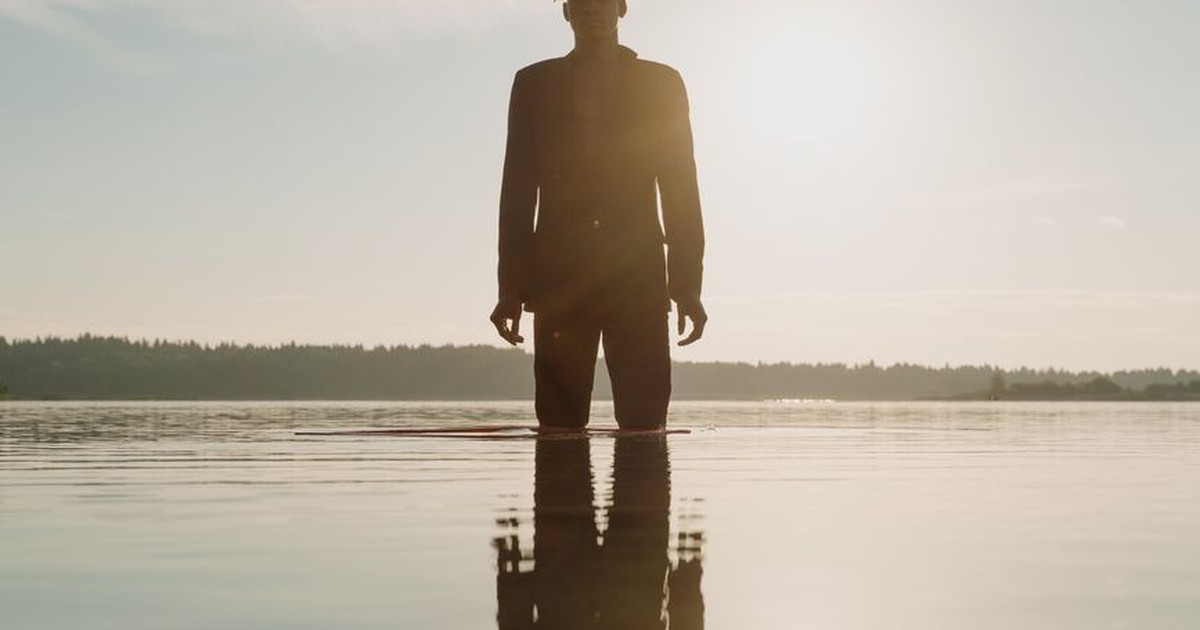
The whole practice fits in a few square feet of floor and a few quiet minutes.
Standing meditation is the lowest-tech attention practice there is. You stand still and notice what your mind does. The skill it trains, noticing an impulse without following it, carries into the rest of the day.
A reader who can pause for a few minutes without reaching for a screen has a transferable skill that no app provides, and it costs nothing to learn.
Topics: meditation, attention, self-care
Standing meditation is exactly what it sounds like. You stand upright, relax your shoulders, breathe through your nose, and stay still. There is no app, no timer chime, no pose to hold beyond simply standing. In Chinese martial arts and qigong the practice is called Zhan Zhuang, which translates roughly as standing like a post, and it has been used for centuries to build posture, balance, and concentration.
It sounds like nothing. Then you try it, and within a minute or two the nothing gets loud. Your legs feel heavier than they should. Your shoulders creep up toward your ears. Your mind starts producing reasons to stop, emails you have not answered, a conversation from three years ago, an itch that was not there a moment ago. None of this means you are doing it wrong. This is the practice working. The outside of the exercise is stillness. The inside is watching your own attention try to escape.
What you are actually training
The instruction is simpler than emptying your mind. Notice each thought arrive and let it pass without following it. The email thought shows up, you register it, and you return to your breath. That small movement, noticing an impulse and declining to act on it, is the entire skill.
It is a skill in the literal sense. It improves with repetition, it decays without practice, and most adults have had very little of it. Modern life fills every spare moment with something, a notification, a headline, a screen in a waiting room. Deliberately spending five minutes with none of that is genuinely unfamiliar for a lot of people, which is part of why the first attempts feel so uncomfortable.
How to do it
Find a quiet spot where you can stand undisturbed. Place your feet roughly shoulder width apart. Soften your knees rather than locking them back, a small bend is enough. Let your arms hang naturally, or rest your hands lightly in front of your belly. Lengthen your spine as if the crown of your head were being drawn gently upward, and let your shoulders drop.
Breathe slowly through your nose. When your attention drifts, and it will, bring it back to the breath or to the feeling of your feet on the floor. Start with three to five minutes. Traditional practitioners work up to much longer stands, but a few minutes done most days beats twenty minutes done once.
You do not need incense, music, a course, or an app with a streak counter. Adding technology to this particular practice mostly defeats the point. A watch or a kitchen timer is fine if you want one, although learning to stand without checking the time is itself part of the training.
What it does not do
Standing meditation is not a treatment for anxiety, depression, or chronic pain, and it is not a substitute for professional care if you need it. The traditional claims around cultivating internal energy go well beyond what evidence supports, and you do not need to accept any of them for the practice to be useful. The observable benefits, steadier posture, calmer breathing, a longer fuse, are enough.
If standing is uncomfortable for you physically, the same attention training works seated, and the box breathing post covers a seated option.
Discomfort in the legs and shoulders during the first weeks is normal. Sharp pain is not, stop if you feel it, and check with a doctor first if you have blood pressure or circulation issues, since standing still for extended periods affects some people differently.
A modest habit with a long reach
Most people imagine discipline as forcing themselves through difficult things. In practice it often starts smaller, as the ability to feel an urge and wait. Standing meditation trains exactly that, in the least glamorous way possible, a few quiet minutes on your feet with nothing to show for it except a slightly longer pause between stimulus and response. That pause is worth more than it looks.
Foldy tip
Waiting for a kettle to boil is long enough for a first stand. You do not need a dedicated time slot.
Suggested next step
Stand still for three minutes today. Feet shoulder width apart, knees soft, breathing through your nose. Just notice where your mind goes.