Self Care
The Physiological Sigh Breathing Technique
A breathing reflex you have already done involuntarily, and why knowing the mechanism makes it useful on purpose.
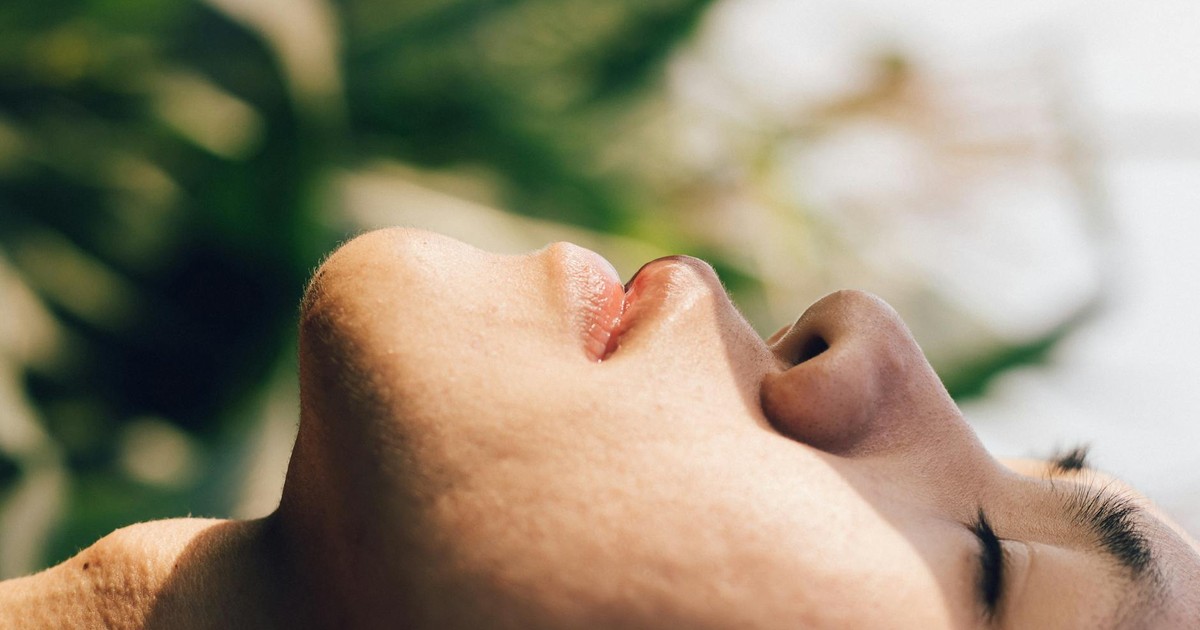
The physiological sigh takes about nine seconds and requires nothing but a breath.
You have almost certainly done a physiological sigh without knowing it had a name. It is the double inhale that happens spontaneously when you have been holding tension for a while, two quick breaths through the nose followed by a long exhale through the mouth. The body does it automatically to clear carbon dioxide from the lungs and reset breathing after shallow or irregular breathing has built up.
Researchers at Stanford studying breathing and stress response identified it as one of the faster ways to reduce physiological arousal. The short second inhale expands the tiny air sacs in the lungs that partially collapse during shallow breathing. The long exhale then allows a larger release of carbon dioxide than a normal breath, and that shift in gas exchange signals the nervous system that it is safe to come down from a stress state.
Why the double inhale matters
The double inhale is the mechanism, not a quirk. A single deep inhale does not open the collapsed lung tissue as effectively. The brief second inhale, taken when you feel you have already filled your lungs, tops off what the first breath started.
The exhale then does most of the work. A slow, full exhale through the mouth activates the parasympathetic nervous system by slowing the heart rate. The exhale phase is where the vagus nerve receives the most input. The longer the exhale relative to the combined inhales, the stronger the calming signal.
One cycle takes roughly nine seconds. There is no counting required and no symmetry to maintain, just two inhales and one long exhale.
When it works well
Box breathing and other structured techniques require enough calm to count and maintain a rhythm. The physiological sigh does not. It works well when you are most activated, when a stressful message has just landed, when a conversation has left you tense, when your breathing has been shallow for a while without you noticing.
One or two cycles is usually enough to bring arousal down to a level where thinking more clearly becomes easier. It is a quick reset, not a relaxation ritual.
What it does not replace
The physiological sigh addresses the immediate physical state of stress, not its source. If the stressor is ongoing, one breath will not resolve it. The technique is useful for interrupting a stress response long enough to respond thoughtfully rather than reactively. That is a meaningful thing, but a narrow one.
For sustained or clinical anxiety, breathing tools are a useful complement to professional support, not a substitute for it.
Try it now
Use the widget above or do it without the guide. Double inhale through the nose, long slow exhale through the mouth. Notice whether anything shifts after one cycle.
Foldy tip
One cycle is enough to try it. You don't need a quiet room or a moment of calm to start.