Explainers
You Don't Have to Fix Your Privacy All at Once
Why slow, deliberate steps work better than trying to overhaul everything
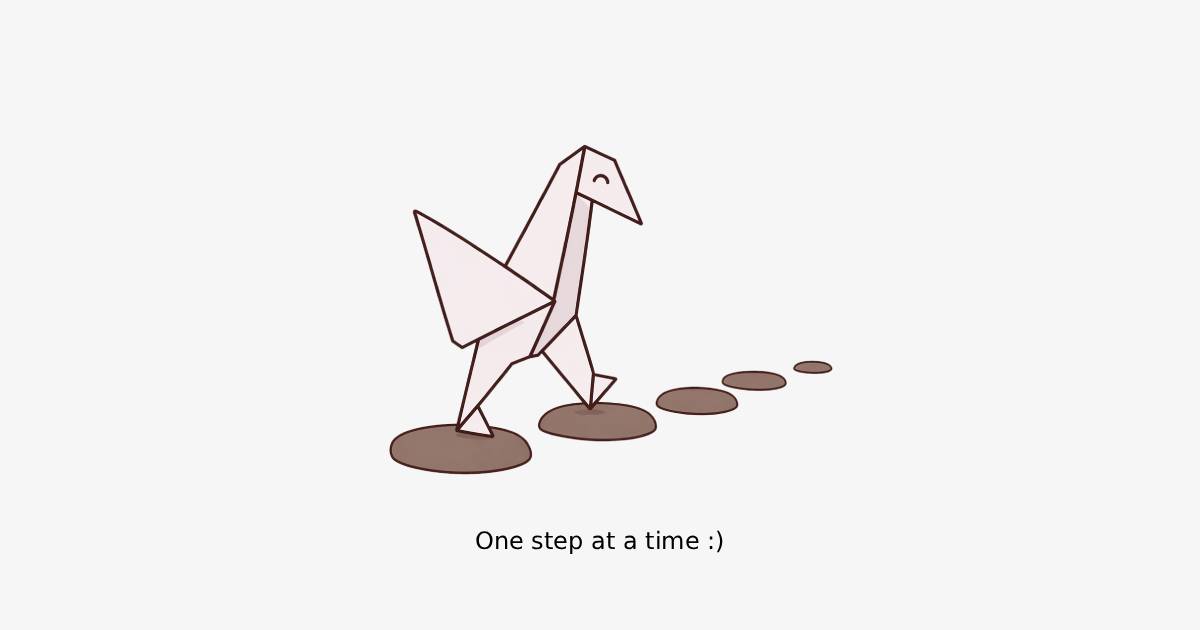
A short list beats an overwhelming one. Start somewhere small.
If you have ever gone down a privacy rabbit hole and come out feeling worse, you are not alone. The more you read, the more there seems to be to fix. At some point the list gets long enough that starting feels impossible.
This happens to a lot of people. And it tends to result in doing nothing.
Why the big-list approach backfires
Most privacy guides are written by people who have already made dozens of changes. They list what they use, what they ditched, and what they would do if starting over. The advice is often good. But reading a list of forty things to change is not the same as being ready to change forty things.
When the gap between where you are and where you think you should be feels too large, the mind tends to shut down. You close the tab. You tell yourself you'll deal with it later. Later doesn't usually arrive.
A different approach
Mindfulness practice offers a useful frame here, even if you have never sat on a cushion. Rather than trying to fix everything, you pay attention to one thing at a time. You notice what is actually present, not what the ideal state is supposed to be.
Applied to privacy, this means starting with what you actually use, rather than what you think you should use. What apps do you open every day? What accounts do you have that you have never really thought about? What data does your phone share that you have never checked?
You do not need to answer all of those at once. Picking one and sitting with it is enough to start.
The one-change method
Choose one thing you use every day. Look up whether it has privacy settings you have not touched. Change one setting that makes sense to you.
That is it. Not ten changes. One.
Give it a week. Notice whether it changes anything about how you use the app, how you feel about it, or what you notice about your own habits. Then, if you want, pick the next thing.
This approach is slower than reading a checklist. It is also much more likely to result in changes that actually stay in place, because you made them deliberately and you understood why.
What to do when you feel the spiral starting
Privacy anxiety tends to build when you are reading about threats rather than doing anything about them. If you feel the spiral starting, close the article and do the one thing you can do today. It almost does not matter what the thing is. The point is to shift from passive reading to active engagement, however small.
It also helps to remember that privacy improves in degrees. Every adjustment you make reduces a little exposure. The goal is improvement, not perfection.
What this does not solve
This approach is about the experience of making changes, not about which changes to make. If you are facing a specific threat, like an abusive partner, a targeted scam, or a workplace surveillance problem, slow gradual improvement may not be enough. Those situations need specific guidance, not a general framework.
For most people, though, the main obstacle is not lack of information. It is the feeling that the problem is too large to approach. That feeling can be worked with. One setting at a time is a real strategy, not just a consolation.
Suggested next step
Pick one app you use every day and change one privacy setting you have never touched.